7 Signs Your Home May Need Electrical Panel Replacement
August 24, 2026
Your electrical panel is responsible for distributing power to the lights, outlets, appliances, and equipment throughout your home. When it is working correctly, you may rarely think about it. However, an aging, damaged, or undersized panel can affect the reliability and safety of your entire electrical system.
Older homes were often built when households used far fewer electrical devices. Modern homes may need to support air conditioning systems, kitchen appliances, computers, entertainment equipment, electric vehicle chargers, and other high-demand technology. An electrical panel that was adequate several decades ago may struggle to meet these increased demands.
Electrical panel replacement can provide your home with greater electrical capacity, more dependable power distribution, and updated safety features. Understanding the warning signs can help you arrange a professional inspection before a small electrical concern develops into a more serious problem.
What Does an Electrical Panel Do?
The electrical panel is the central distribution point for your home’s electricity. Power enters the property through the utility service and is distributed from the panel to individual circuits. Each circuit supplies electricity to a particular area or type of equipment.
Circuit breakers inside the panel are designed to interrupt the flow of electricity when they detect an overload or certain electrical faults. This protective function helps reduce the risk of overheated wiring, equipment damage, and electrical fires.
A breaker that trips occasionally may simply be responding to a temporary overload. Frequent problems, visible damage, or a lack of available capacity may indicate that the panel or another part of the electrical system needs professional attention.
Signs You May Need Electrical Panel Replacement
1. Circuit Breakers Trip Frequently
Circuit breakers trip when a circuit is drawing more electricity than it can safely handle or when another electrical problem is detected. One tripped breaker does not necessarily mean the panel needs to be replaced.
However, breakers that trip repeatedly during normal household use should not be ignored. Frequent tripping can be caused by overloaded circuits, faulty wiring, damaged breakers, or insufficient panel capacity.
An electrician can test the panel and individual circuits to identify the actual cause. Depending on the findings, the right solution may involve repairing a circuit, replacing a breaker, installing a dedicated circuit, or upgrading the entire panel.
2. Your Home Still Has a Fuse Box
Some older homes still rely on fuses instead of modern circuit breakers. A properly maintained fuse box is not automatically unsafe, but it may offer limited capacity for the electrical demands of a modern household.
If fuses blow regularly, the box shows signs of deterioration, or you are planning to add major electrical equipment, it may be time to discuss replacement. A modern breaker panel can make circuit management more convenient and provide room for future electrical improvements.
Never install a larger fuse to stop a recurring problem. The fuse rating must match the circuit’s safe capacity. Using the wrong fuse can allow wiring to overheat.
3. You Notice Heat, Burning Odors, or Unusual Sounds
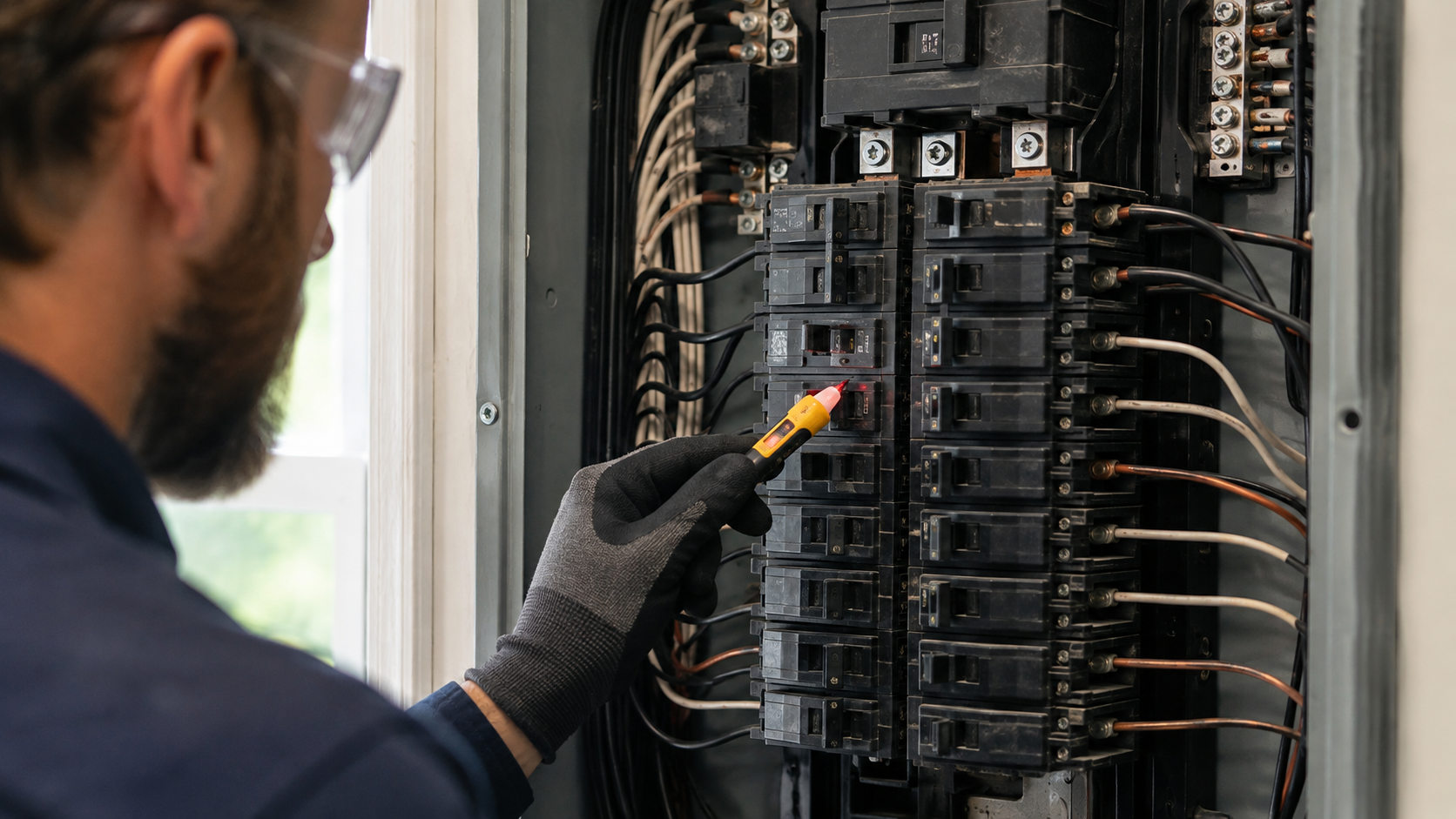
An electrical panel should not produce a burning smell, crackling sound, persistent buzzing, sparks, or excessive heat. These symptoms may indicate a loose connection, damaged breaker, overheating component, or another serious electrical fault.
Discoloration, scorch marks, melted insulation, and rust should also be evaluated promptly. Do not remove the panel cover or attempt to tighten internal connections yourself. Electrical panels contain energized components that can remain dangerous even when individual breakers are switched off.
If you notice smoke or fire, move away from the area and contact emergency services. For other warning signs, stop using the affected circuit when possible and contact a qualified electrician as soon as possible.
4. Lights Flicker When Appliances Turn On
Lights that dim or flicker when an air conditioner, refrigerator, microwave, or other appliance starts may point to an overloaded circuit, loose connection, voltage issue, or undersized electrical service.
The problem may be limited to one circuit, but widespread flickering can indicate a larger concern. A professional electrical evaluation can determine whether the issue is coming from the panel, household wiring, utility service, or connected equipment.
5. The Panel Is Damaged, Corroded, or Outdated
Moisture, corrosion, rust, loose breakers, and visible physical damage can interfere with the panel’s ability to distribute electricity safely. Missing covers, open spaces, improper modifications, and overcrowded wiring are additional reasons to schedule an inspection.
Electrical components wear over time, especially when exposed to moisture, excessive heat, or poor installation conditions. If the panel’s age or service history is unknown, an electrician can assess its present condition and explain whether repair or replacement is appropriate.
6. You Are Adding High-Demand Electrical Equipment
Certain home improvements can significantly increase electrical demand. Examples include:
- An electric vehicle charger
- Central air conditioning
- An electric range or dryer
- A hot tub or spa
- A heat pump
- A finished basement or home addition
- A workshop with power tools
- Additional kitchen appliances
Before installing new equipment, an electrician should calculate the expected electrical load. If the current panel does not have enough capacity or available breaker spaces, panel replacement may be part of the project.
Upgrading in advance helps ensure the new equipment receives the power it needs without placing unnecessary strain on existing circuits.
7. You Depend on Extension Cords and Power Strips
Extension cords and power strips can be useful for temporary needs, but they should not replace properly installed outlets and circuits. If your household depends heavily on them because there are not enough outlets, your electrical system may no longer match how the home is being used.
Adding outlets or dedicated circuits may solve the problem. In other situations, an older panel may not have enough capacity or open spaces to support those additions. A professional assessment can identify the safest and most practical approach.
What Happens During an Electrical Panel Replacement?
Electrical panel replacement is a coordinated project that should only be completed by qualified professionals. The exact process depends on the home, existing service, local requirements, and the amount of electrical capacity needed.
Evaluating the Existing System
The electrician begins by examining the current panel, service size, breakers, grounding, wiring conditions, and household electrical demand. This evaluation helps determine whether the panel itself is the main problem or whether other electrical work is needed.
Choosing the Appropriate Capacity
A larger panel is not selected based on guesswork. The electrician performs a load calculation that considers the home’s size, appliances, heating and cooling equipment, and planned additions.
Many modern homes use 200-amp service, but that does not mean every property automatically requires it. The right capacity depends on the home’s actual electrical needs and the existing utility service.
Coordinating the Installation
Panel replacement generally requires the power to be temporarily disconnected. The old equipment is removed, the new panel is installed, and the existing circuits are transferred and identified. Grounding and bonding components are also evaluated as part of the work.
Permit and inspection requirements vary by location. Your electrical contractor can explain which requirements apply to your property before installation begins.
Testing the Completed System
After installation, the electrician checks the breakers, circuits, connections, and panel operation. Proper testing helps confirm that power is being distributed correctly and that the finished system is ready for use.
Benefits of Replacing an Outdated Electrical Panel
A professionally selected and installed panel can offer several meaningful benefits.
More Reliable Power
A properly sized panel can better support the way your household currently uses electricity. It may help address recurring overloads and provide dedicated circuits for equipment that needs them.
Improved Electrical Safety
Modern panels and breakers provide updated protection when properly installed as part of a sound electrical system. Replacement also provides an opportunity to correct damaged components, improper modifications, and other visible panel-related concerns.
Capacity for Future Improvements
An updated panel may provide additional circuit spaces and electrical capacity for renovations, new appliances, an EV charger, or other future projects. Planning ahead can make later electrical work easier.
Clearer Circuit Organization
A new panel gives the electrician an opportunity to organize and label circuits accurately. Clear identification makes it easier to locate the correct breaker when maintenance or electrical work is needed.
Is Panel Replacement the Same as Rewiring a House?
Electrical panel replacement and whole-house rewiring are separate services. Replacing the panel updates the central distribution equipment, while rewiring replaces some or all of the electrical wiring throughout the home.
Some homes only need a new panel. Others may also have damaged, deteriorated, or outdated wiring that requires additional work. An electrician must inspect both the panel and the connected circuits before recommending a complete solution.
Avoid assuming that a new panel will correct every electrical problem. The panel, wiring, outlets, switches, grounding, and connected equipment all work together as one system.
Schedule a Professional Electrical Panel Evaluation
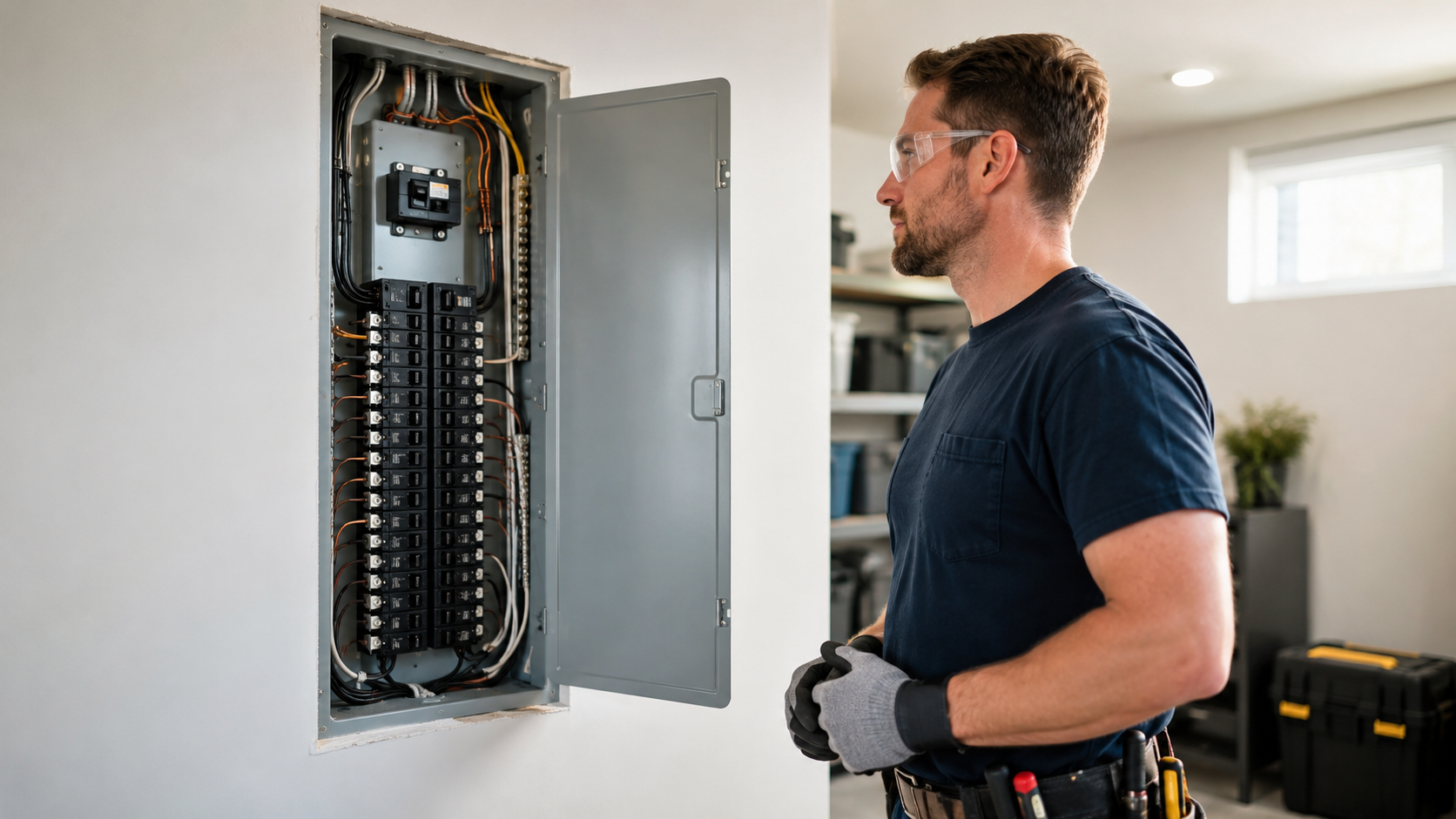
Frequent breaker trips, flickering lights, burning odors, visible panel damage, and insufficient capacity are all reasons to have your electrical system inspected. Even if replacement is not necessary, a professional evaluation can identify the source of the problem and help you make an informed decision.
Family Construction & Electrical LLC provides electrical panel upgrade services for homeowners throughout the South Suburbs. Whether you are concerned about an aging panel or preparing for a major home improvement, our team can evaluate your current system and recommend an appropriate solution.
Contact Family Construction & Electrical LLC today to schedule an electrical panel evaluation and make sure your home is prepared for its present and future power needs.